
The Great Forgetting
Historical Erasure and Villainy in the Belgian Congo

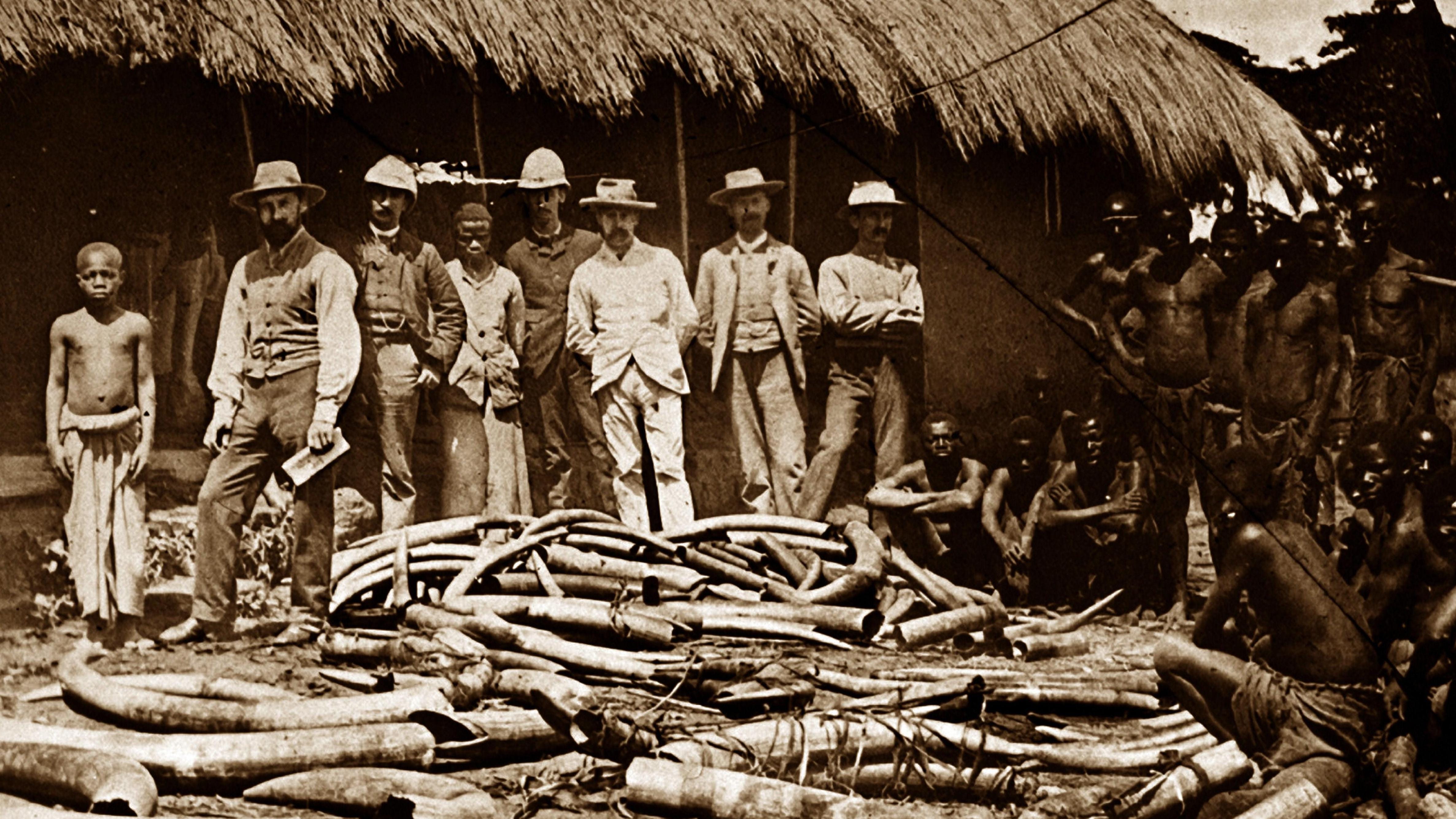
From 1885 to 1908, King Leopold II of Belgium gained personal control over the entire Congo region in central Africa. His colony, known as the “Congo Free State” immediately set up operations and infrastructure to extract as much profit and raw material as possible. Global desire for ivory, rubber, and the raw materials of the Congo led Leopold to spearhead an imperial extraction project involving slavery, forced labor, atrocities, resource extraction, land theft, disease, wars, and rebellions which altogether reduced the population of Congo by anywhere from 1.5 to 10 million people, possibly more. Historians and demographers disagree on the death toll, but even the low end estimates are staggering. After Leopold was finally forced to give up control of Congo in 1908, the government of Belgium took control until 1960, allowing for a less brutal but still imperial operation to continue until the nationalist movements of the 1950’s and 1960’s ultimately led to Congo’s independence (it’s own tragic story).
Despite the devastating numbers, the Belgian Congo is often seen as just a footnote to the larger story of European imperialism in Africa. Unless you’re from Belgium or the Congo, or your studying the topic academically, you probably don’t know much about the Congo Free State, even though statistically it’s on par with many of the worst historical atrocities. In his 1998 book King Leopold’s Ghost, Adam Hochschild coined the essence of this historical erasure the “Great Forgetting.” Our collective memory of the Belgian Congo is not what it might have been.
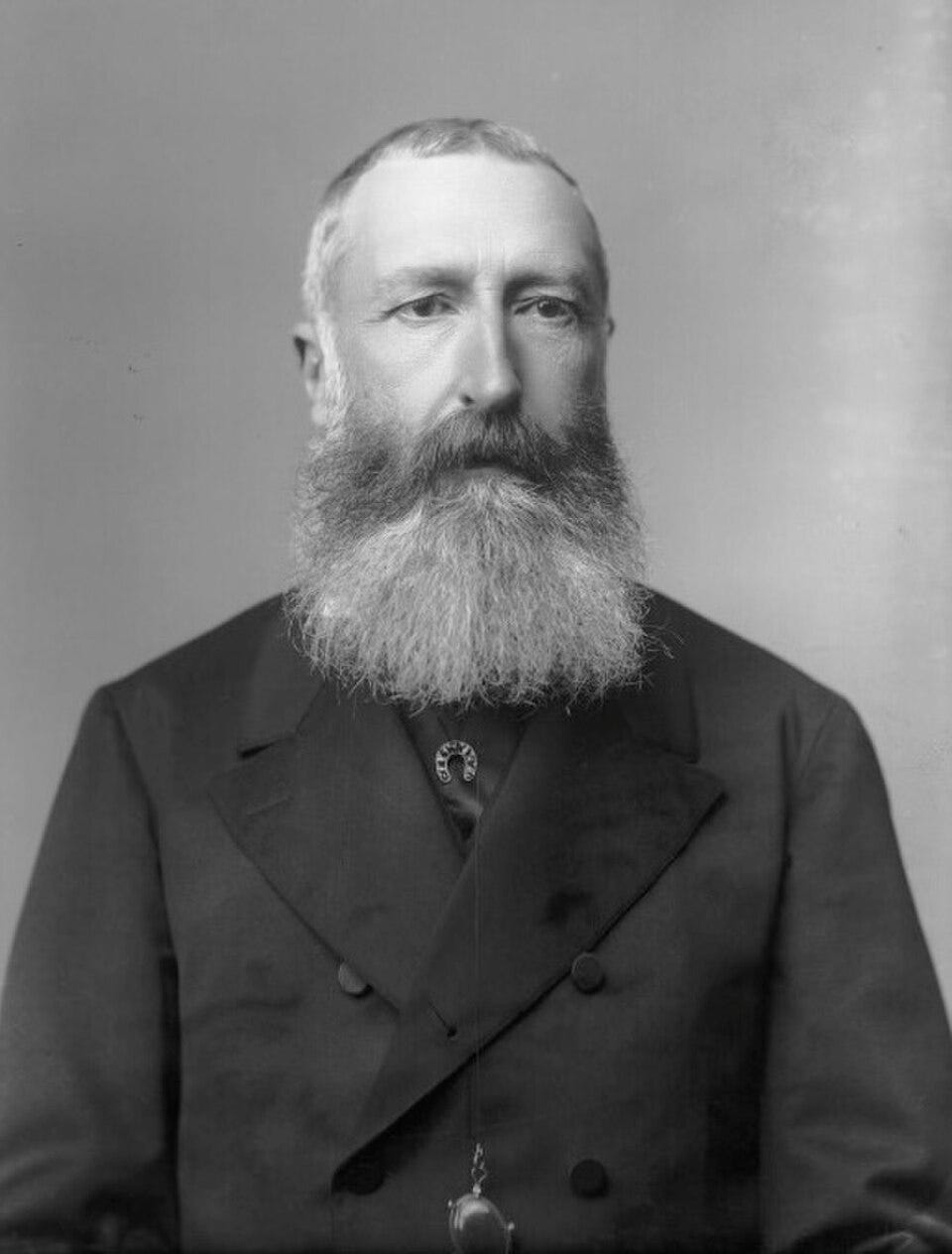
One of the unusual things about the Great Forgetting is that the Congo Free State should be more memorable historically than it turned out to be. Every good story has a villain, and in this case it’s astounding just how corrupt and modern the villainy was. King Leopold II would fit in astonishingly well with modern day villains of the 21st century. Dubious shell corporations, single minded focus on money and profit, an obsession with building monuments, using state institutions to enrich himself personally, sex scandals and public scandals, devious use of media and propaganda, cloaking himself in religion…Leopold’s tactics were modern. And yet he is not seen as the prototypical villain, perhaps simply because most people don’t know the story. So if a memorable villain can’t make the history resilient, the question might become what makes a historical event like this forgettable?
There are some fairly typical reasons that history gets forgotten. We’ve all heard the phrase “history is written by the winners,” which is true to some extent in the case of the Belgian Congo. Very few written primary source accounts exist from the African perspective, so a large portion of the history is tilted to the side that was written down. In addition to that reality, Leopold also had numerous media arms and outlets spreading propaganda about the benefits of bringing “civilization” to the Congo. He did all this while censoring any dissenting voices. Records of atrocities and colonial infrastructure were intentionally burned in what Belgian officials at the time described as a multi-day bonfire. Other records were locked in archives and off limits to researchers for close to a hundred years, only recently becoming available. Instead, school children learned from patriotic textbooks for decades about tales of Belgian heroism in the Congo.
Nobody who studies history should be particularly surprised by this type of historical erasure, but there are also more subtle reasons history is forgotten. The Congo was mostly an oral history culture at the time of the Congo Free State, and as the deaths, displacements, and wars mounted over the years, those histories faded. Many who survived in the Congo did so because they were allied with the Belgian government, maybe feeling they had no other choice and perhaps shedding some of their history as they did so. In addition, an overlooked evil of colonialism and imperialism is that when it “ends,” it often leaves no viable indigenous human infrastructure in its wake. Adam Hochschild points out that at independence in 1960, Congo had less than 30 African graduates of university total. There were a grand total of 3 Africans in the upper levels of civil service. Zero army officers, engineers, agronomists, or physicians.
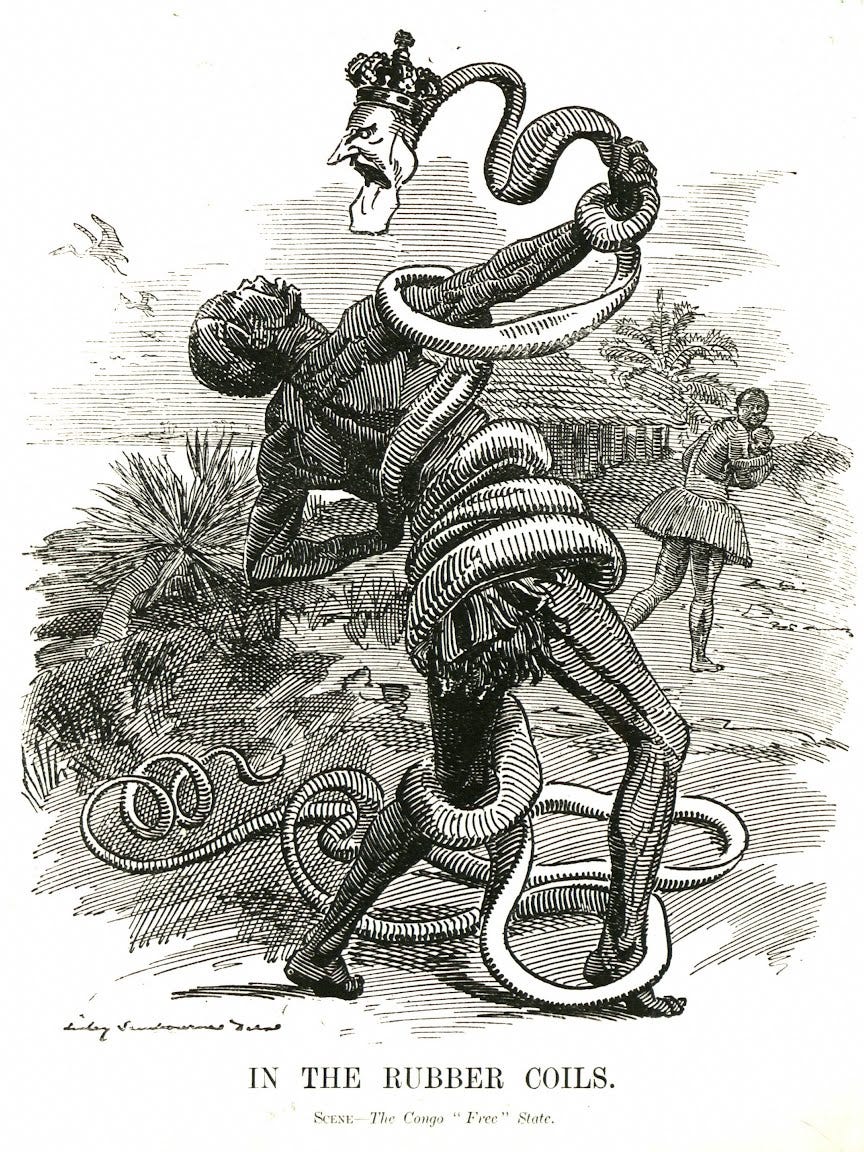
But history is never erased so easily. Even as it was happening, men like E.D. Morel and Roger Casement drew European attention to human rights violations in the Congo. Religious groups like Protestant churches organized ways to help the people of the Congo and lobby their governments to improve conditions. Missionaries like George Washington Williams visited the Congo Free State and bravely reported on the horrors they saw. Congolese themselves organized rebellions, fled colonial control, or found small ways to resist. The flames of a nationalist independence movement were partially lit in the fires of the Congo Free State. None of these by itself would have been enough, but collectively they helped bring Leopold’s control of Congo to an end. Historians and Congolese today are inspired to tell the full story, and students of history can learn it.
There is a Great Forgetting, but we remember it.
If you are interested in the full story, I recently completed a 7 part podcast series titled “Congo’s Nightmare.” Check it out here or wherever you listen to podcasts!
“The victim who is able to articulate the situation of the victim has ceased to be a victim: he or she has become a threat.”
James Baldwin - The Devil Finds Work
I learned about this through one of the most fascinating and disturbing books I've ever read, "King Leopold's Ghost", by Adam Hochschild. Incredible story.